Above the Roof
of the World
The Machine
& The Mission
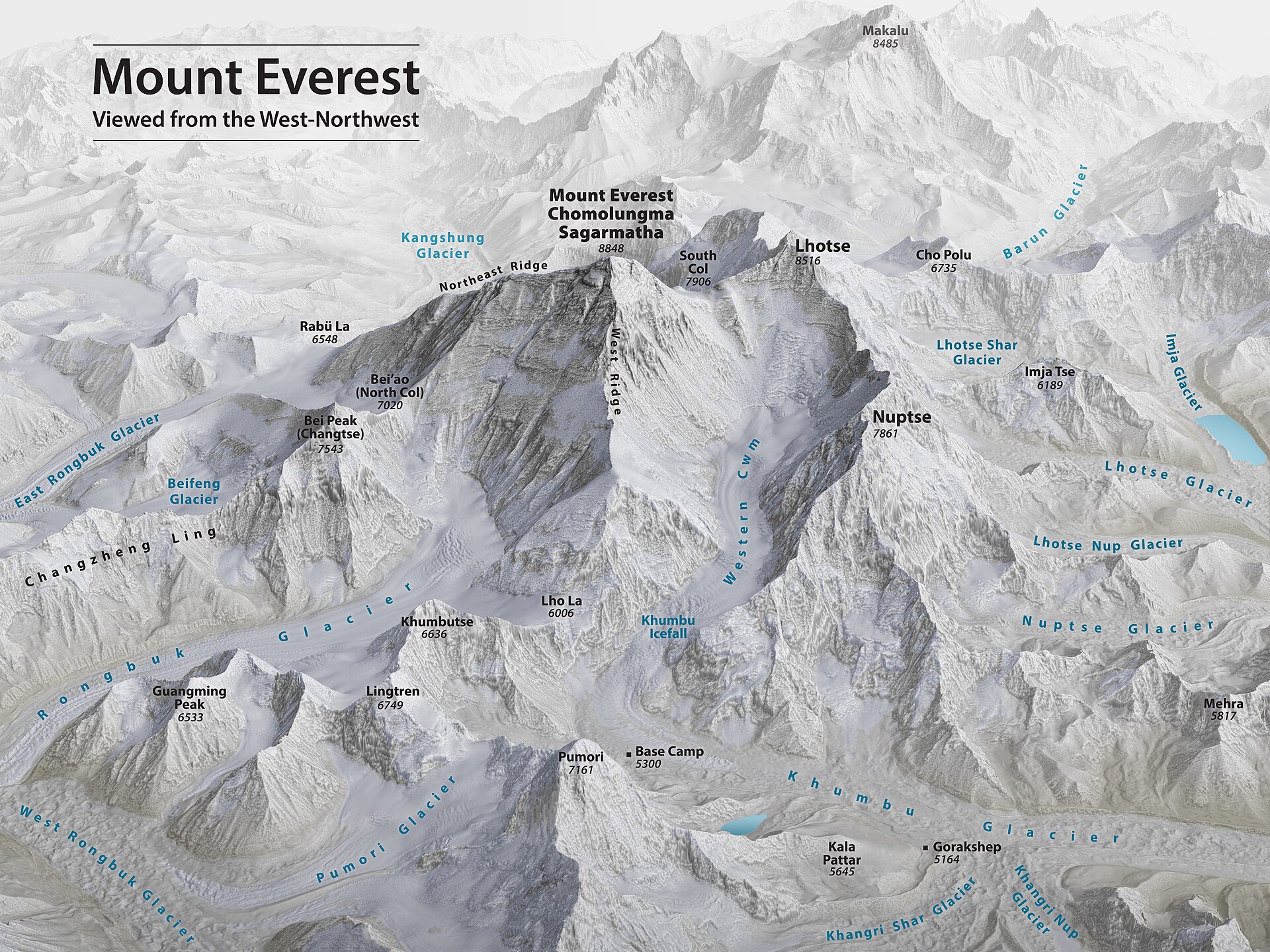
Everest stood as the unreachable absolute. For decades, the summit had repelled every ground expedition, a jagged crown of ice ascending into the stratosphere where the air thins to a lethal fraction. No human eye had ever looked down upon the roof of the world.
Funded by the eccentric and determined Lucy, Lady Houston, the Houston-Mount Everest Flight Expedition sought to conquer the peak not by boot, but by wing. The margin for error was non-existent. A downdraft over the glacial peaks meant certain death.
The Summit
Beneath Their Wings
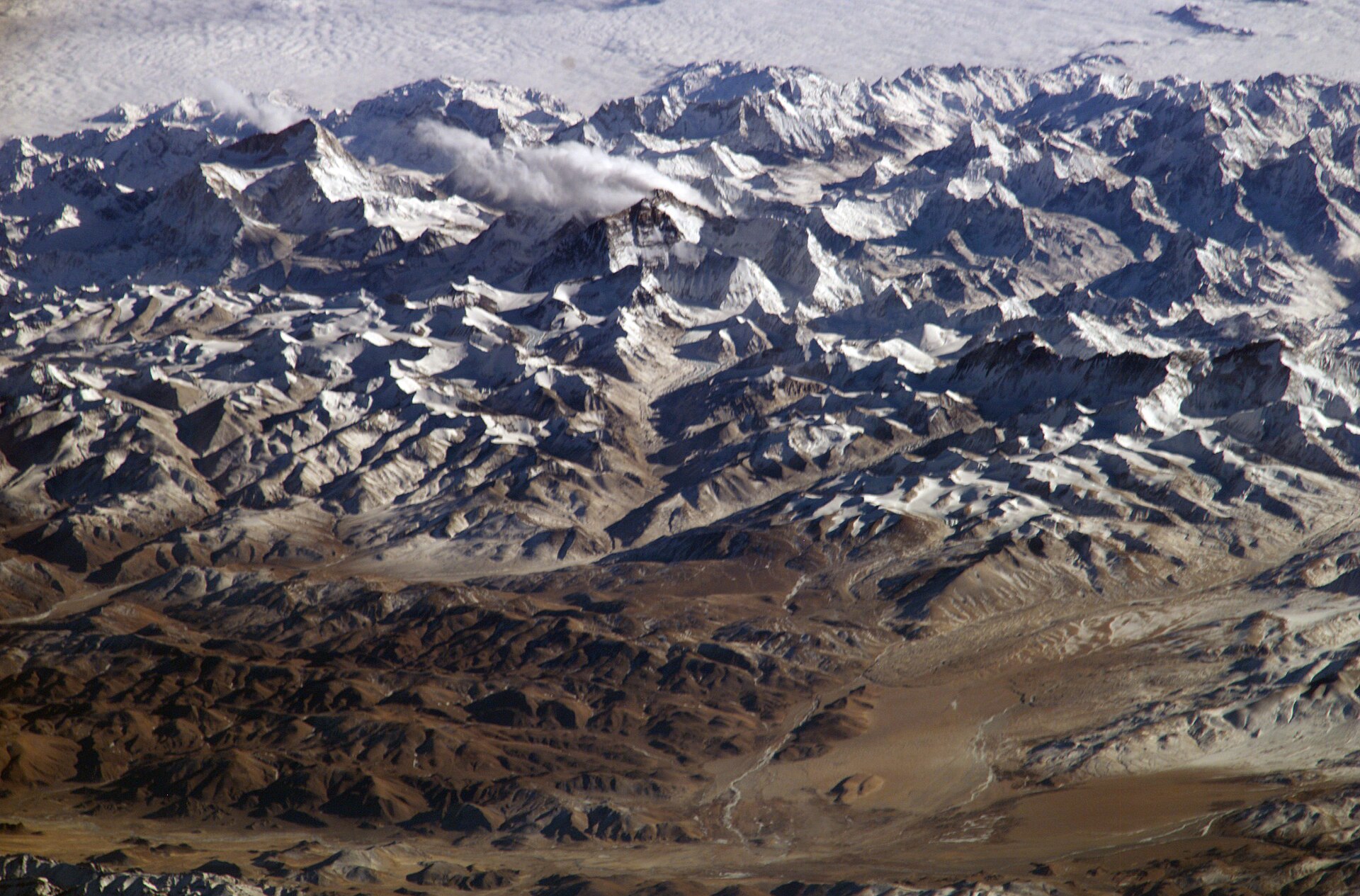
At 08:25 on April 3, the heavy Westland biplanes roared off the dusty airstrip at Purnea. For an hour, they climbed through the dense haze of the Indian plains until the monolithic white wall of the Himalayas pierced the sky before them.
The ascent was violent. Caught in a brutal downdraft near the mountain's flank, the PV-3 dropped 2,000 feet in seconds, missing a jagged ridgeline by a mere clearance of fifty feet. The supercharged Pegasus engines screamed against the thin air, clawing back altitude foot by agonizing foot.
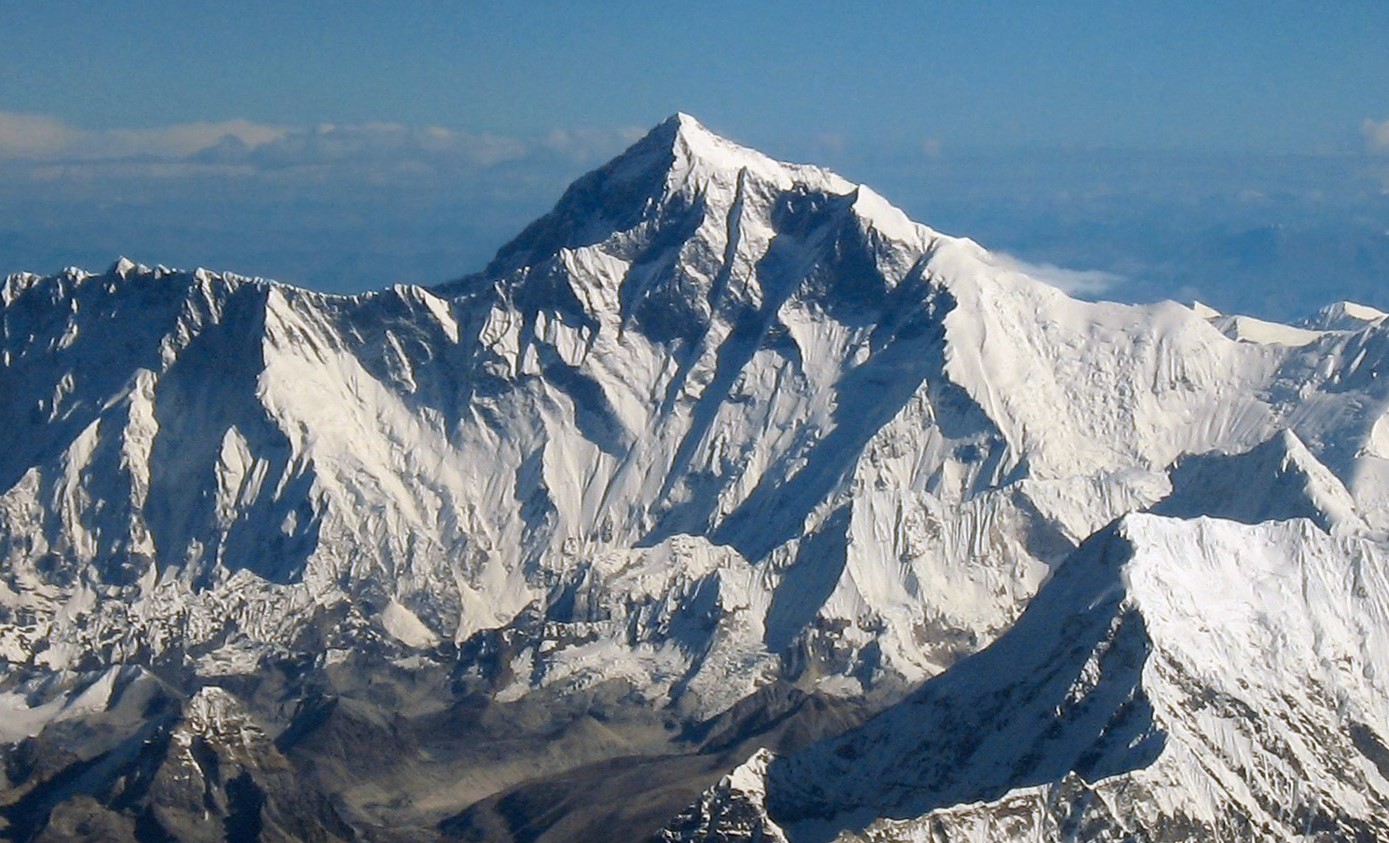
At exactly 10:05, the aircraft breached the summit. Fighting hypoxia, extreme cold, and blinding glare, the crew wrestled with their heavy glass-plate cameras. In those few deafening, freezing minutes hovering at 34,000 feet, they captured history. The impossible ceiling had been shattered.