BURGTHEATER, VIENNA APRIL 2, 1800
1800

The Dissonant Dawn

Beethoven leads the premiere of his First Symphony

Act I — The Held Breath

A candlelit Burgtheater buzzes with expectation. A twenty-nine-year-old composer, notorious for his keyboard ferocity, now dares to speak in the language of orchestras.

The audience settles. The hall goes dark. The classical traditions of Haydn and Mozart hang heavy in the air, a framework of pristine mathematical resolution.
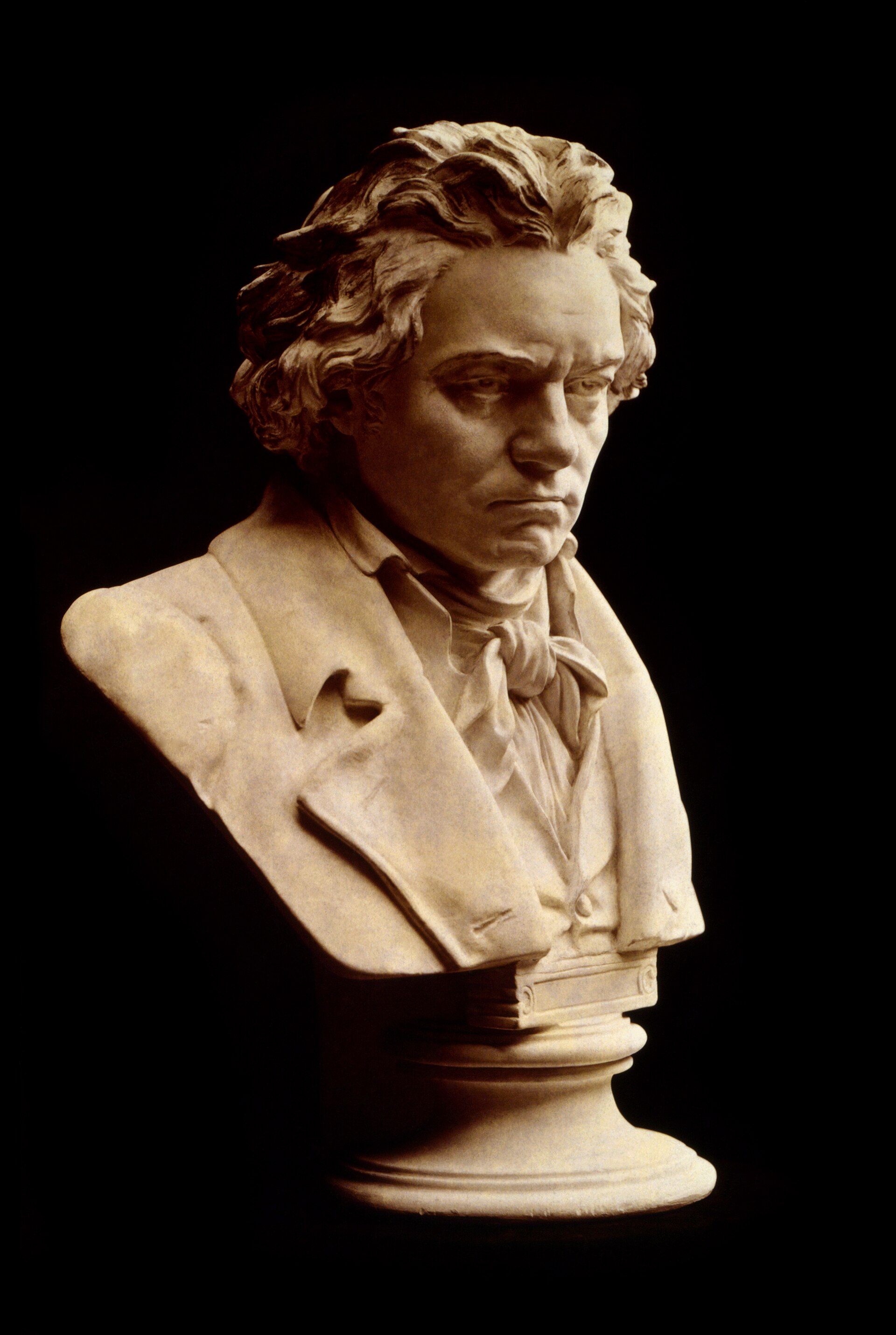
Beethoven bust statue by Hagen
Beethoven bust statue by Hagen. Public domain.

Act II — The Breaking Point

A chord rings out—and it is wrong. Deliberately, provocatively wrong. The symphony does not begin in its home key of C major. It begins somewhere unresolved, somewhere restless.

We trace the arc of that first movement—the tension of a man who studied under Haydn but could not stay inside his walls. The finale’s slow teasing buildup is treated like a joke at tradition’s expense.

Act III — The Morning After

The reviews are mixed. The critics hear something unsettled. They are correct. What they cannot know is that the unsettled feeling is the entire point.

This premiere marks not merely a debut but a declaration. It is a seam in music history where the Classical era begins leaning irrevocably toward something larger, louder, and deeply human.

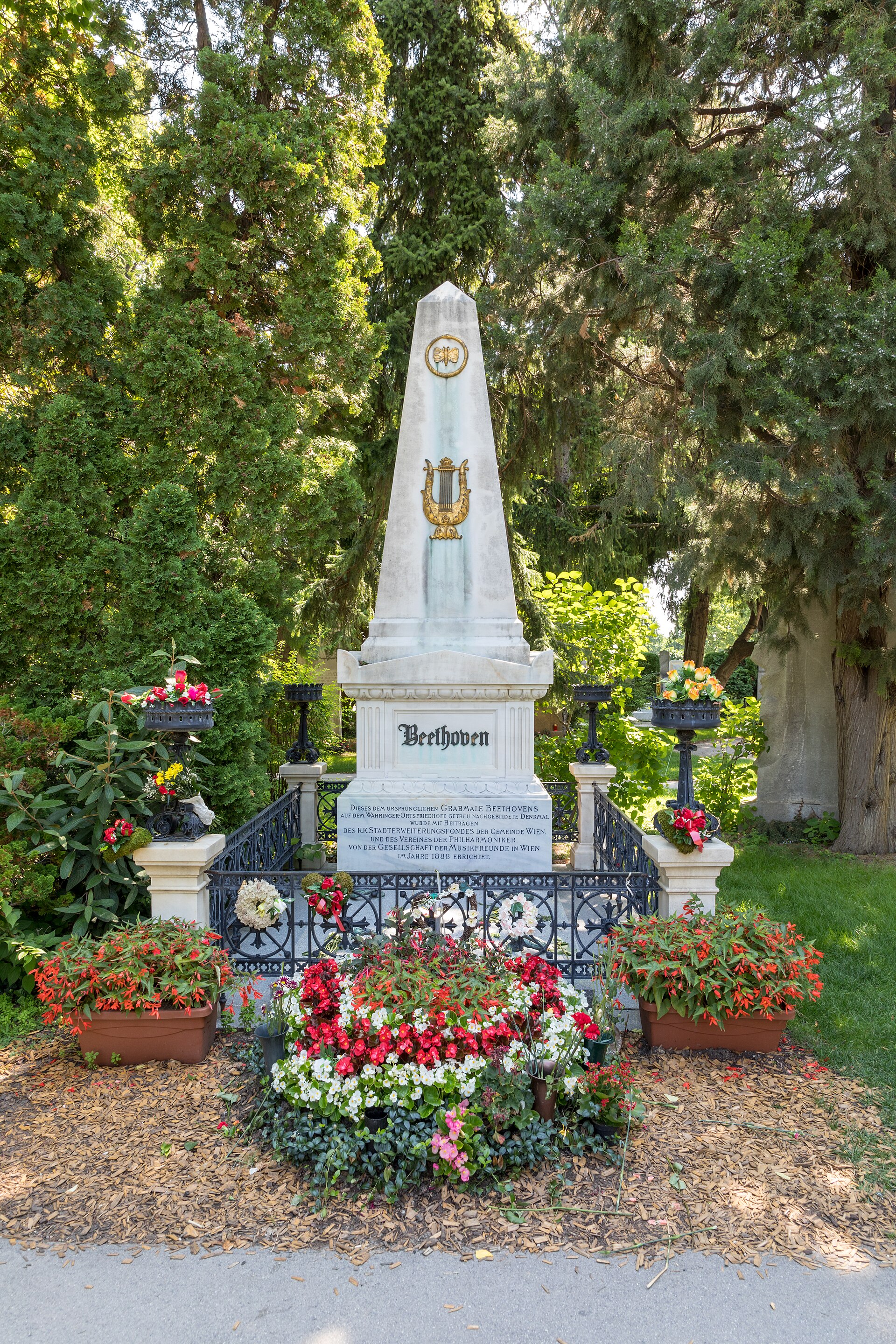
Beethoven's Grave at Zentralfriedhof in Vienna
Wien, Zentralfriedhof, Grab “Ludwig van Beethoven”. CC BY-SA 4.0 Dietmar Rabich.
“He is not rejecting the past. He is stress-testing it until it fractures, letting the light of the Romantic era pour through the cracks.”