March 20, 2015
The Day the Sky Held Its Breath
A rare alignment: A total solar eclipse, the vernal equinox, and a Supermoon coalesce in perfect synchrony.
I. The Odds
The cosmos operates on independent clocks. The Earth's axial tilt waltzes through its seasons. The Moon travels its elliptical path, rhythmically drifting closer to and further from our planet. And the intricate geometry of shadows sweeps invisibly through the void.
On this day, all three hands pointed to the exact same temporal coordinate. The vernal equinox brought equal light and dark. A Supermoon arrived at perigee, swelling to its maximum apparent size. And precisely then, it crossed the ecliptic plane, swallowing the sun.
II. The Moment
A shadow swept across the North Atlantic at supersonic velocities. Over the Faroe Islands and the frozen archipelagos of Svalbard, morning was violently aborted.
Because the Moon was at perigee—physically closer to observers—it appeared 14% larger than average. This massive lunar disc blotted out the photosphere with profound totality, revealing the ethereal, plasma-rich tendrils of the solar corona in stark relief against the artificial twilight.
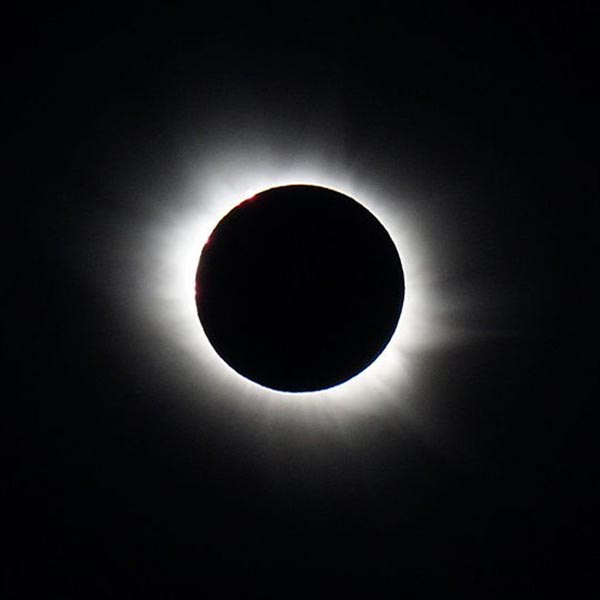
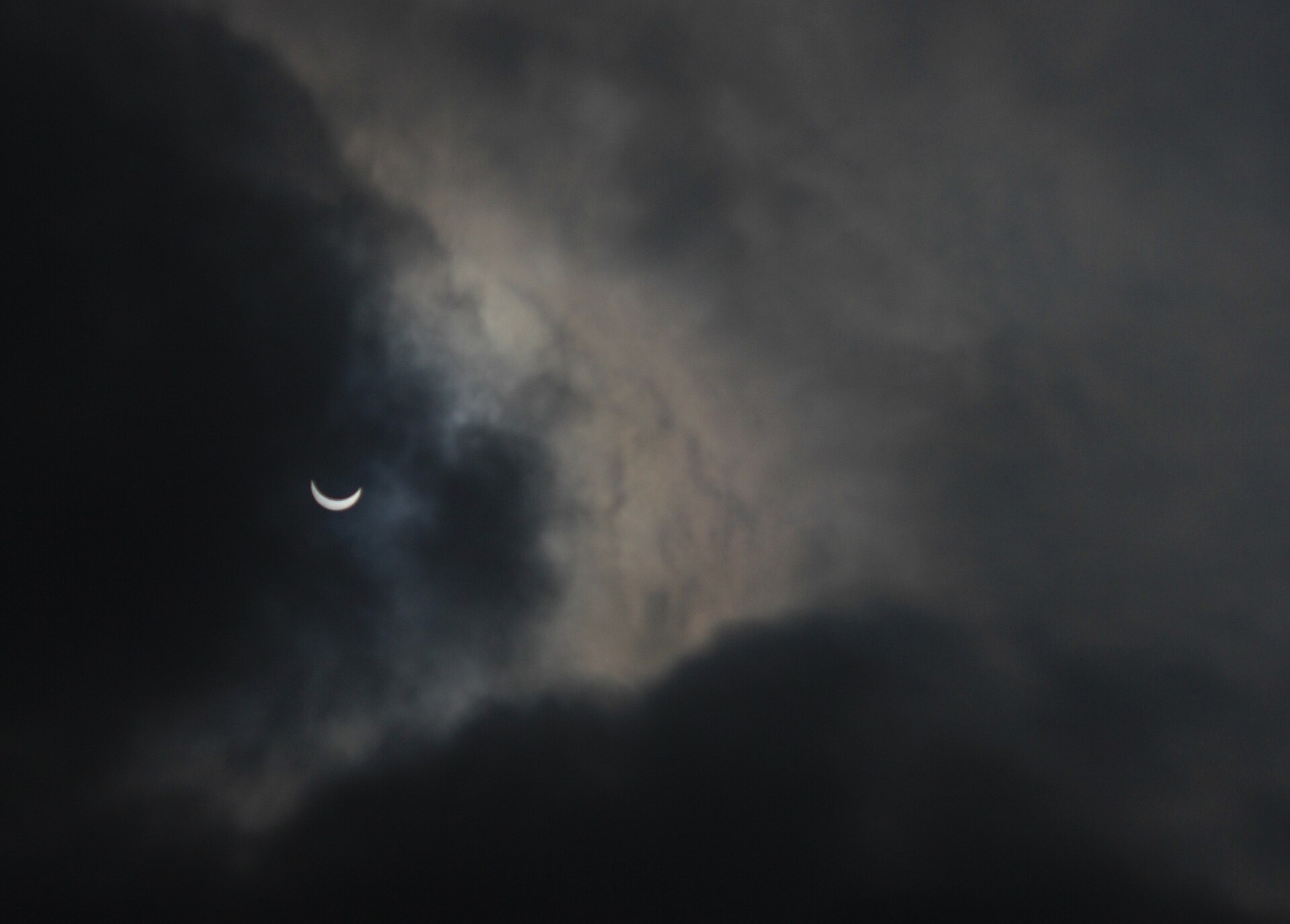
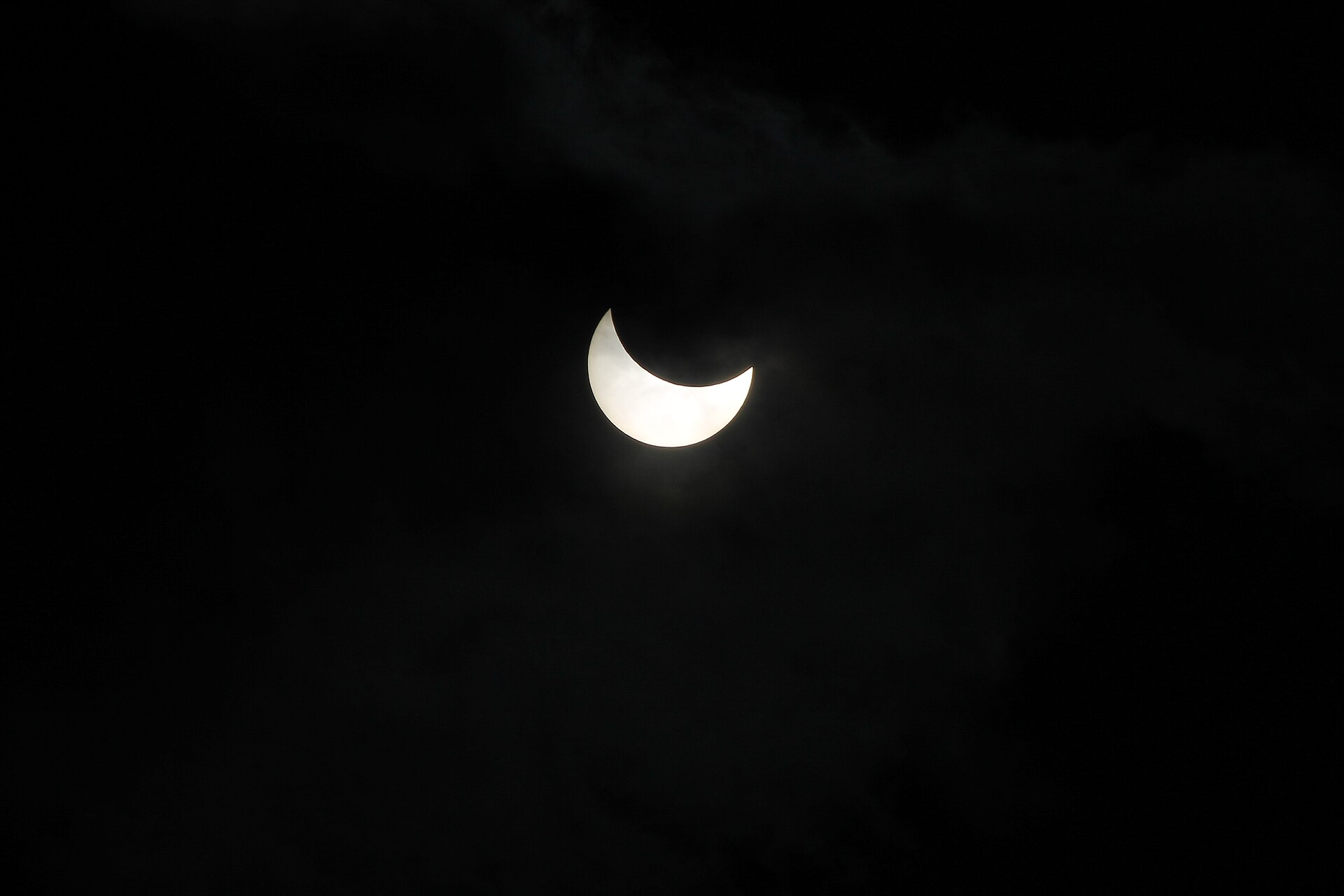
The Path of Totality
The umbra swept the North Atlantic at 2,100 km/h. Only two inhabited territories—the Faroe Islands and Svalbard—fell within the 462 km wide band of totality.
Max obscuration: 100%
Local time: 09:41 AM
Conditions: Overcast, partial breaks
Observers gathered on Torshavn cliffs
Max obscuration: 100%
Local time: 10:11 AM
Conditions: Clear skies
Ideal corona visibility
Ecliptic endpoint
No human observers
Shadow exits atmosphere here
III. The Echo
When will the machinery of the solar system strike this exact chord again? A total eclipse overlapping completely with the exact day of the vernal equinox, simultaneously amplified by a perigee Supermoon, is an anomaly of orbital resonance.
The sky will not do this exact convergence again in your lifetime.