2.5 SECONDS
TO INFINITY
On March 16, 1926, Robert Goddard launches the first liquid-fueled rocket. The frozen stage was set in a quiet cabbage patch. A fragile frame of pipes and valves shattered the silence, marking the birth of controlled liquid propulsion.
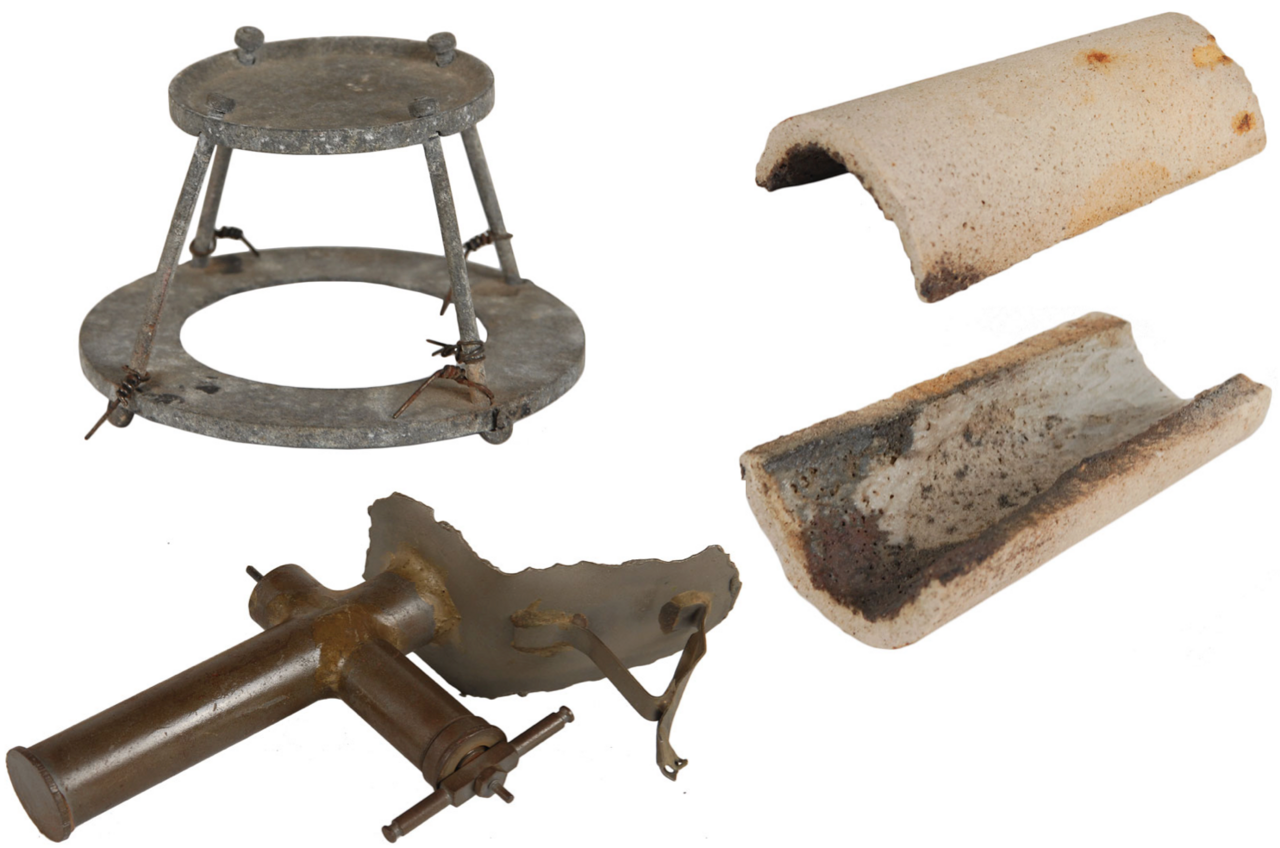
Artifacts of the founding research (Credit: jurvetson, CC BY 2.0)
Liquid Oxygen + Gasoline
Solid fuel rockets had existed for centuries, but they were uncontrollable. Dr. Robert H. Goddard envisioned a system where liquid propellants could be mixed in a combustion chamber, providing unprecedented control and sustained thrust.
This exact mixture—combining extreme cold with volatile fuel—would become the foundational formula for modern spaceflight.
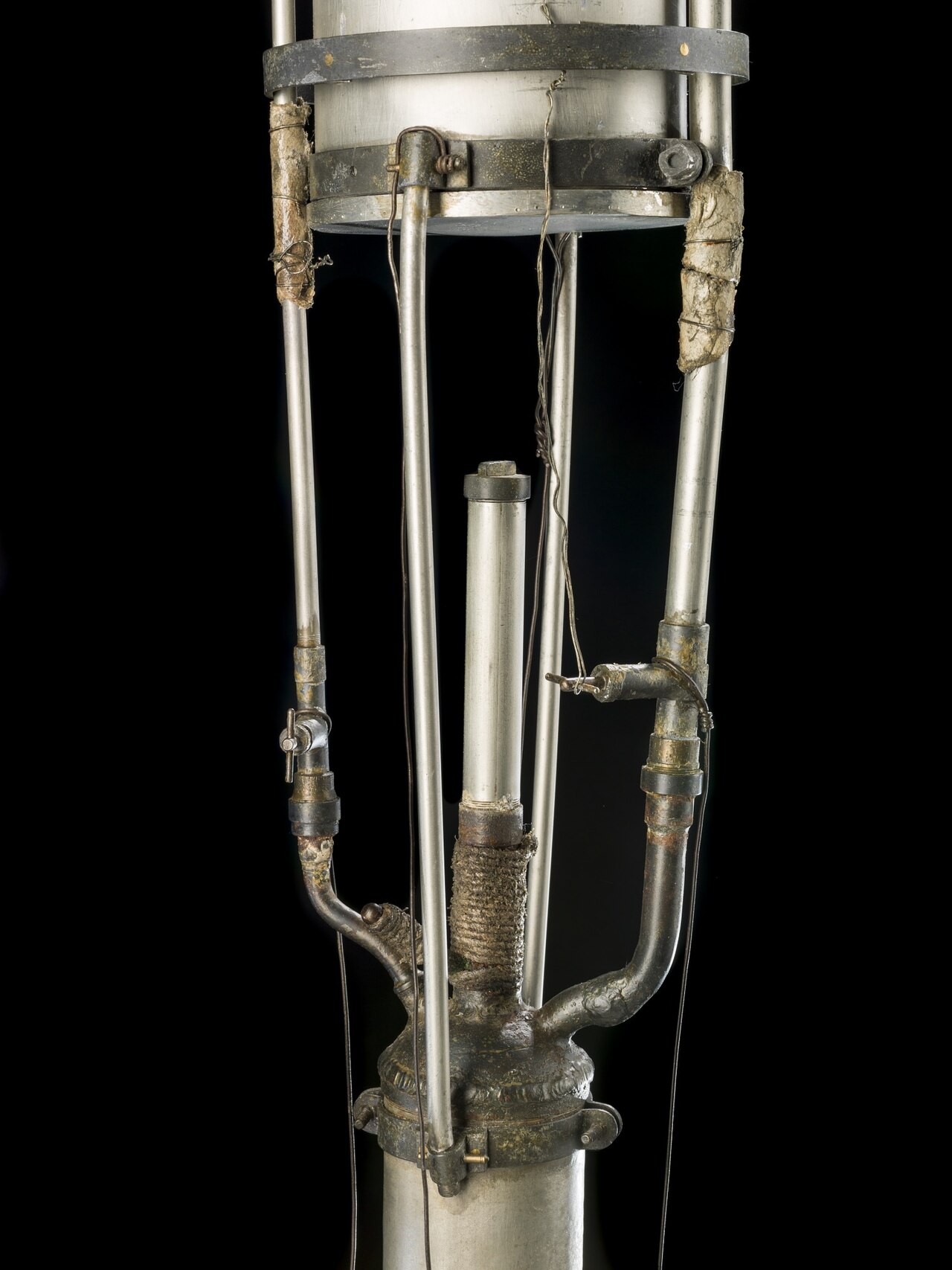
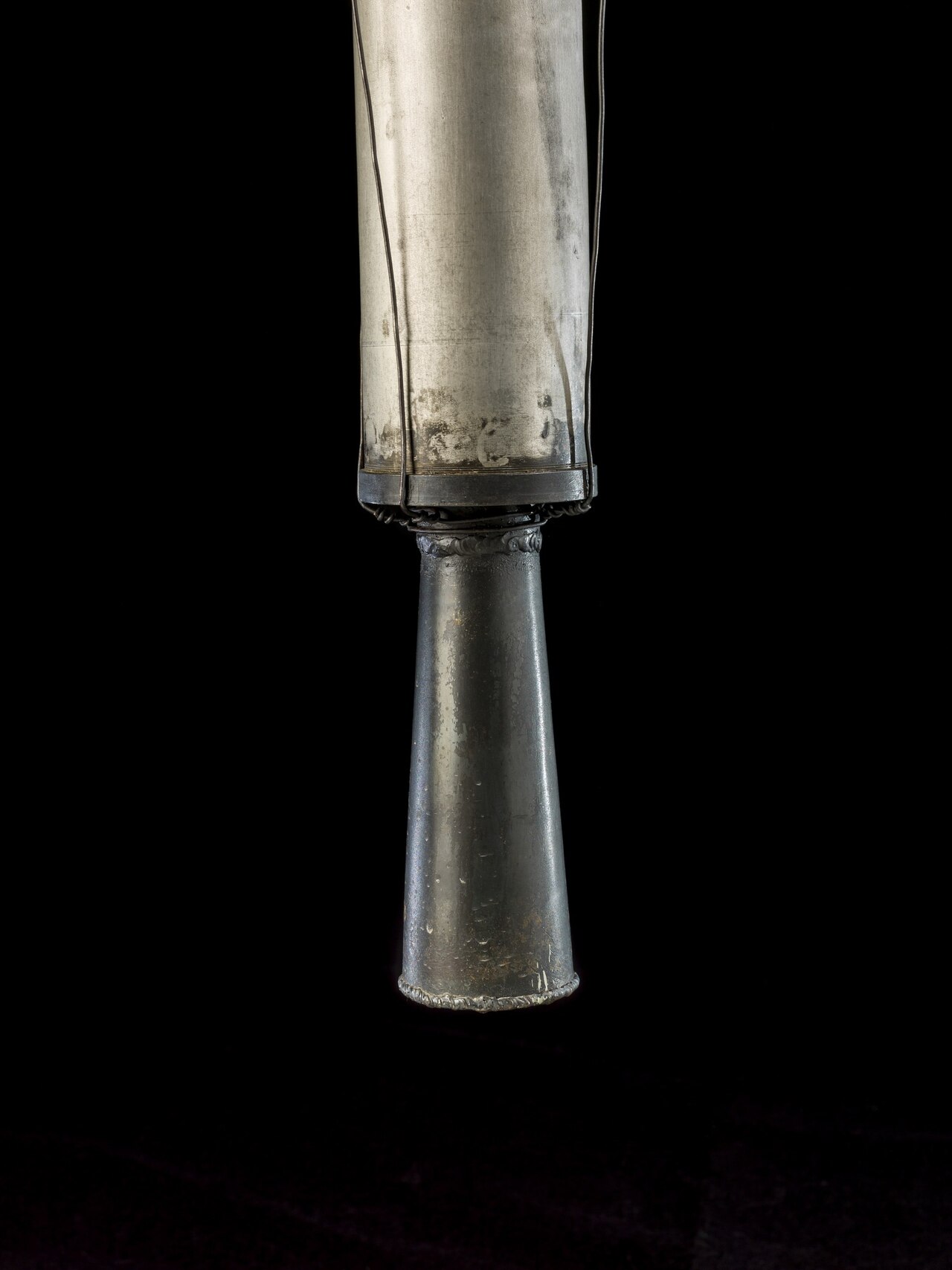
It lasted just 2.5 seconds.
But it pointed us to the stars.
Reaching an altitude of only 41 feet, the flight was brief but monumental. Goddard proved that a liquid-fueled rocket was not only possible, but viable. The fragile frame built in a Massachusetts cabbage patch was the direct ancestor of the Saturn V and every modern launch vehicle.
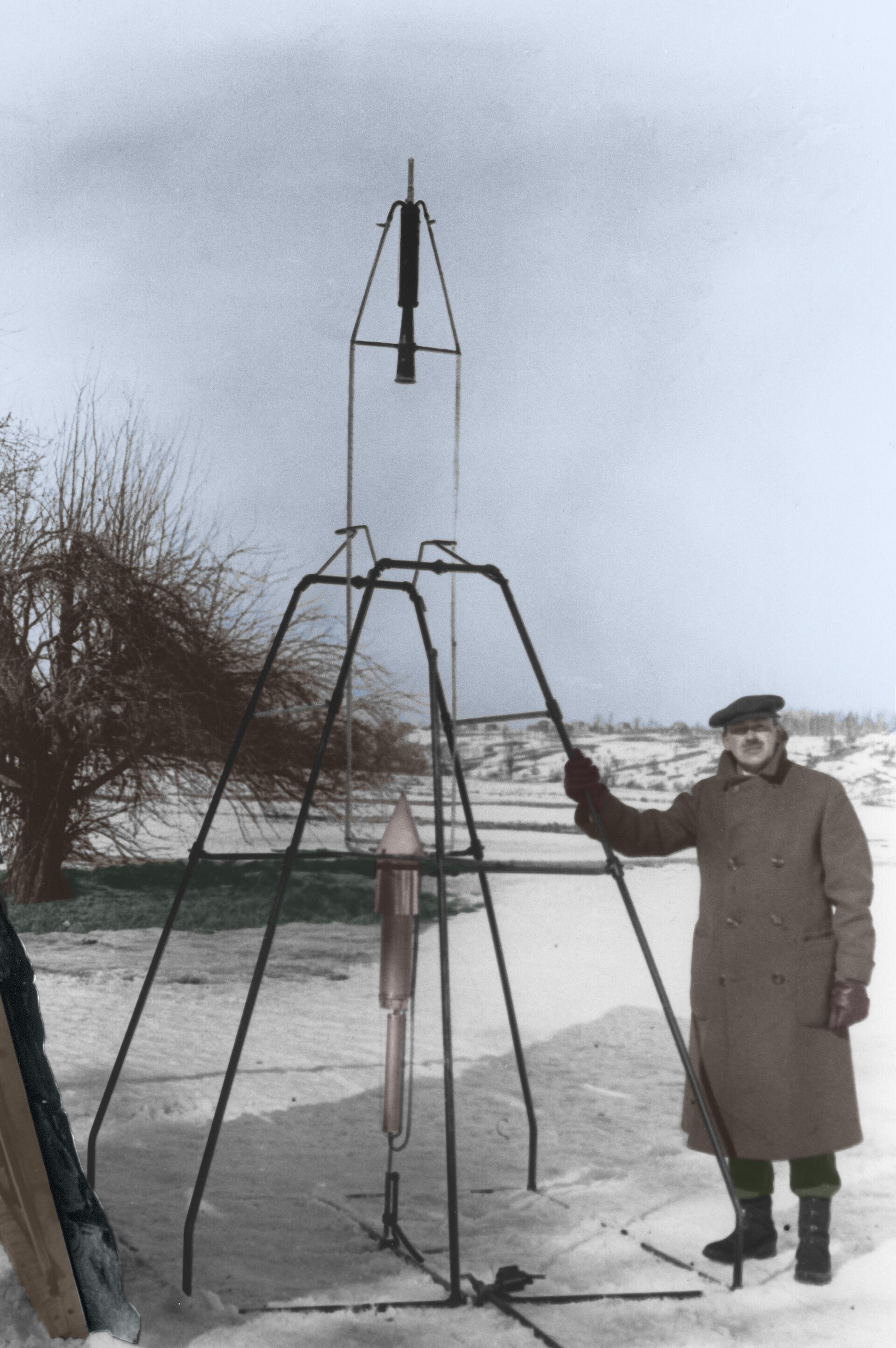
Dr. Robert H. Goddard and the first liquid-fueled rocket (Credit: Esther C. Goddard, Public Domain)