LAT 53.5 N / LON 7.9 E // 1900-03-07

The First Frequency:
Spark Across the Void

The German liner SS Kaiser Wilhelm der Grosse becomes the first ship to send wireless signals to shore.

The Silent Sea

Before 1900, the ocean was an absolute void. Ships that left port became solitary islands, severed from the world until they reached their destination. The maritime silence was profound, vast, and perilous.

The Spark

In the dawn of the 20th century, the massive four-funneled Victorian ocean liner, SS Kaiser Wilhelm der Grosse, challenged the abyss. Equipped with Guglielmo Marconi's wireless telegraphy system, it became a floating beacon of modern engineering, ready to shatter the silence.
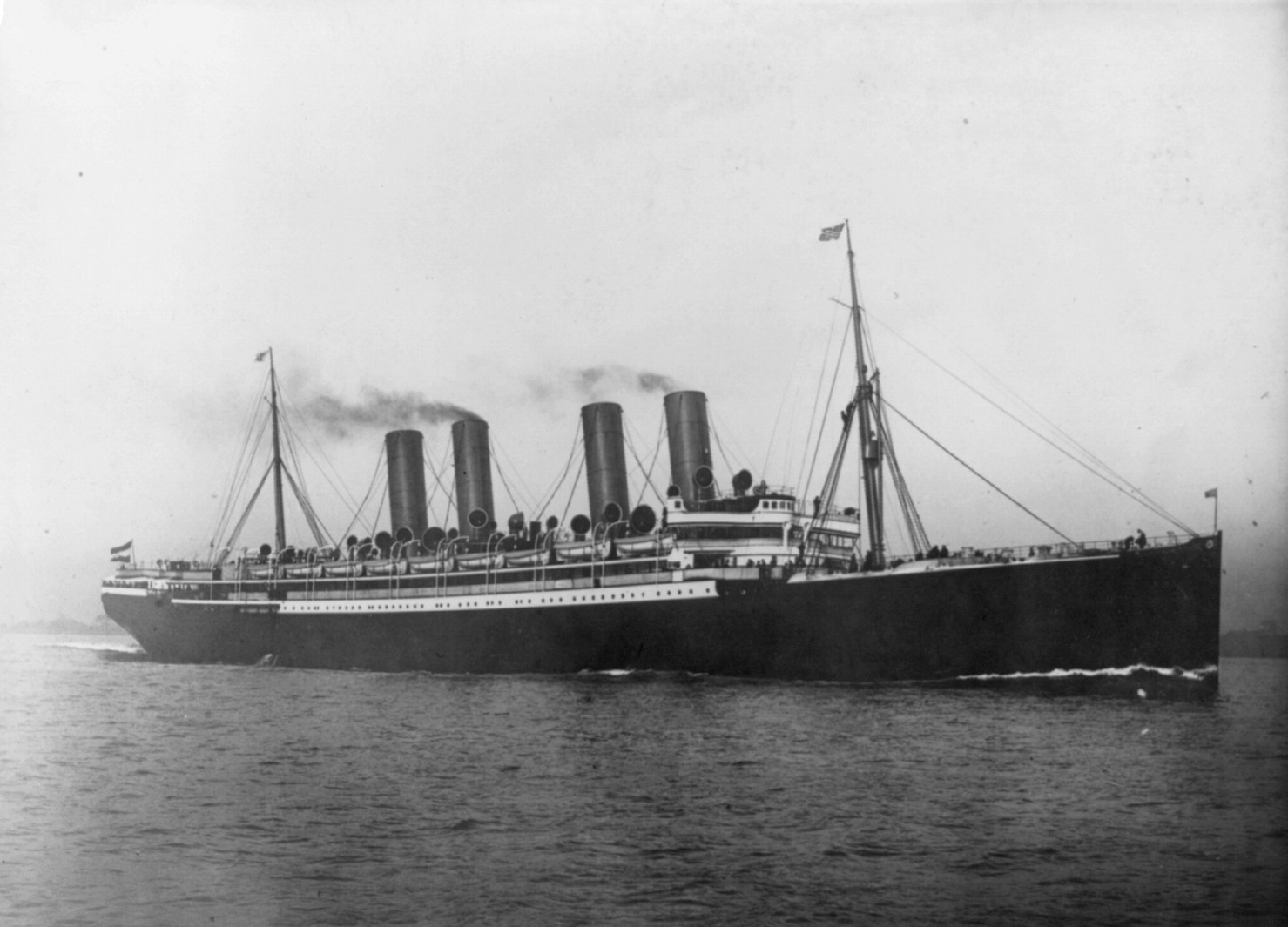
SS Kaiser Wilhelm der Grosse
IMG: Kaiser Wilhelm der Grosse Credit: A. [August] Loeffler | Public Domain
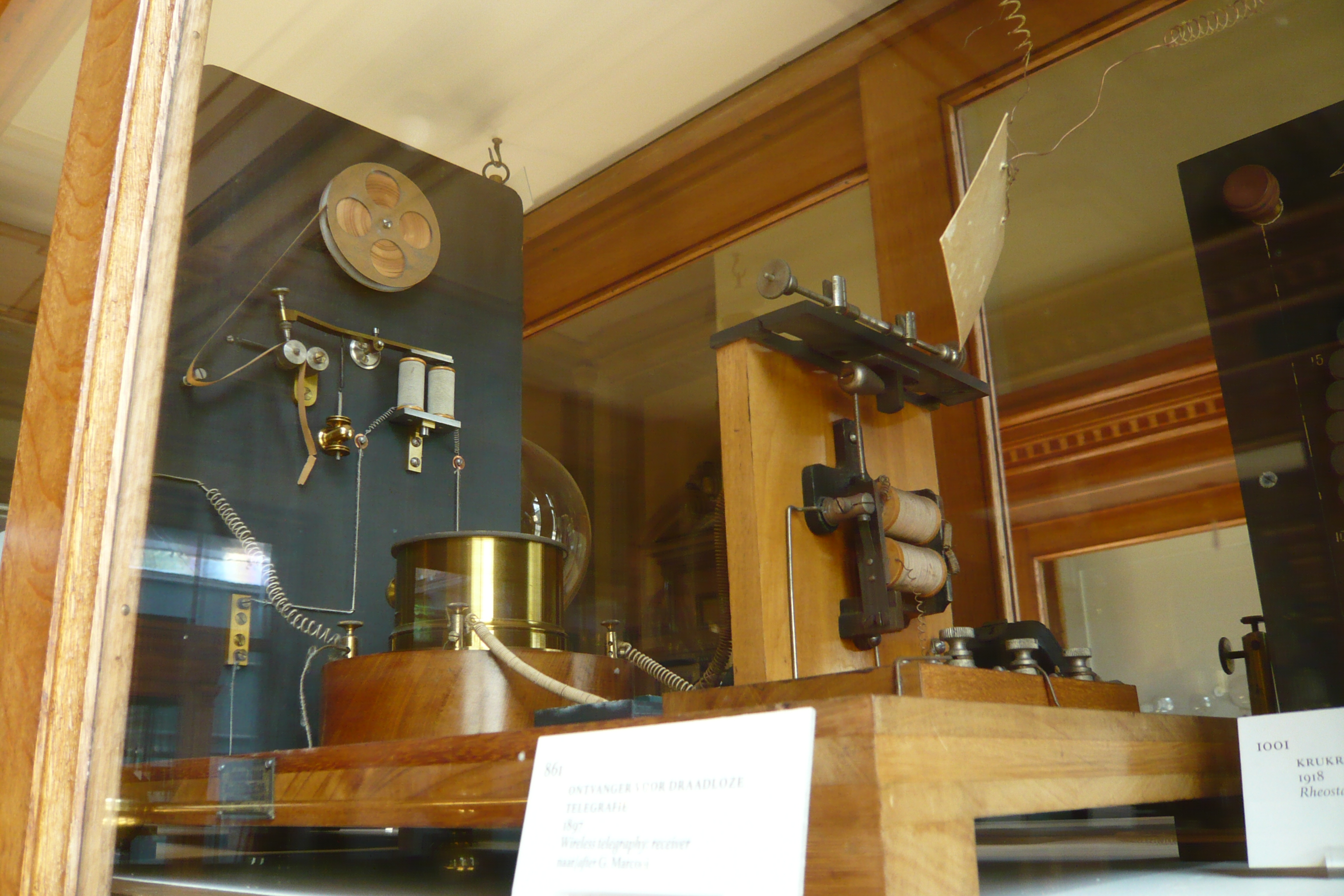
Wireless telegraphy receiver
IMG: Wireless telegraphy receiver Credit: Jane023 | CC BY-SA 3.0

The Tether

On March 7, 1900, the crackling of sparks broke the silence of the North Sea. Invisible radio waves stretched fifty miles toward a German shore station on Borkum Island. The transmission was received. The gap was bridged. Global sea travel would never be the same.

Intercepted Transmissions

Hover to decode historical telemetry fragments.

FREQ: 1

The first message was a simple operational telegram, but its implication was monumental: a ship in distress could now call for help.

FREQ: 2

Early "spark-gap" transmitters were incredibly loud and produced ozone gas, requiring operators to work in soundproofed "wireless rooms."

FREQ: 3

The SS Kaiser Wilhelm der Grosse was the first liner to feature four funnels, a design that became a symbol of power and safety.