The Optical
Revolution
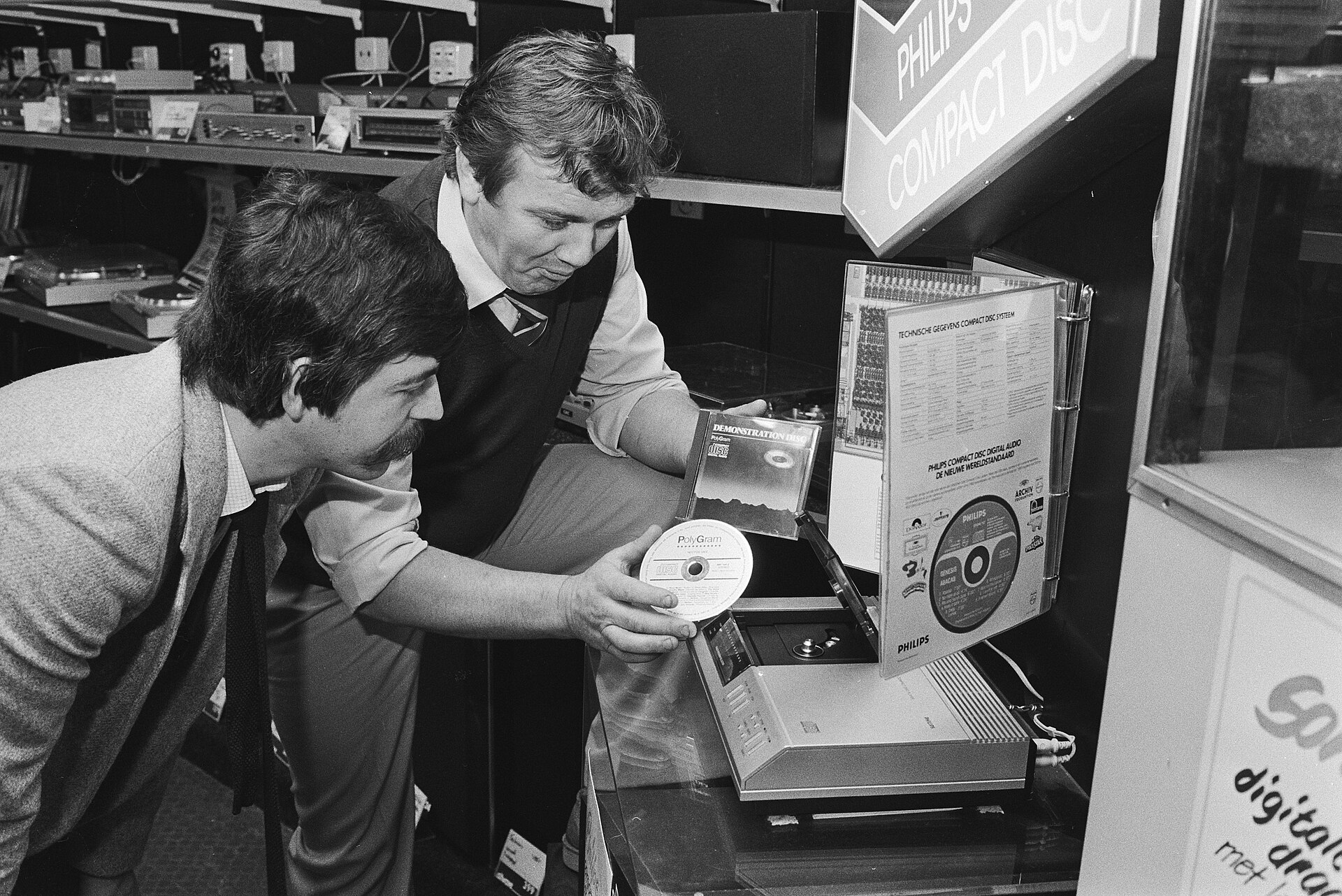
Compact discs and players are released for the first time in the United States, replacing the noise of analog with the pristine clarity of the digital realm.
The Analog Twilight
Before the beam, there was friction. The warmth of vinyl and the convenience of magnetic tape ruled the airwaves, but they were bound by strict physical limitations. Every play etched away at the fidelity.
Dust, scratches, hiss, and pops were the accepted artifacts of recorded sound. The medium degraded with the message.
Igniting the Beam
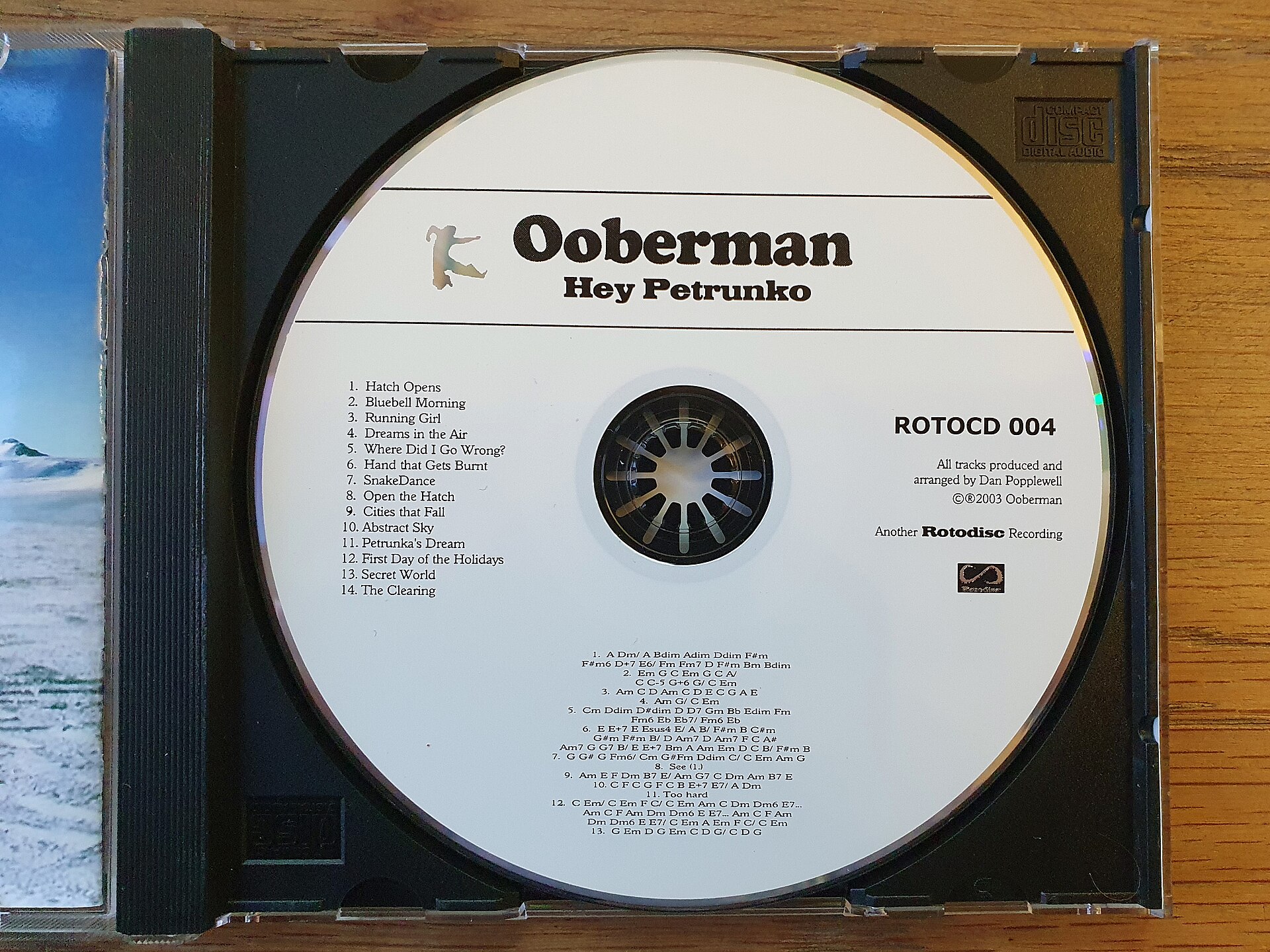
A leap from mechanics to optics. The compact disc replaced the physical stylus with a precise 780nm semiconductor laser. Microscopic pits and lands, embedded in a durable polycarbonate layer and coated in reflective aluminum, encoded pure digital information.
Zero physical contact. Zero degradation. Infinite playback.
A Pristine Future
On March 2, 1983, the US market was finally illuminated by the optical format. The nationwide rollout introduced the world to an uncompromising standard of digital audio fidelity.
The iridescent rainbow reflections of the discs became the aesthetic hallmark of a new, frictionless era, changing the music industry forever.