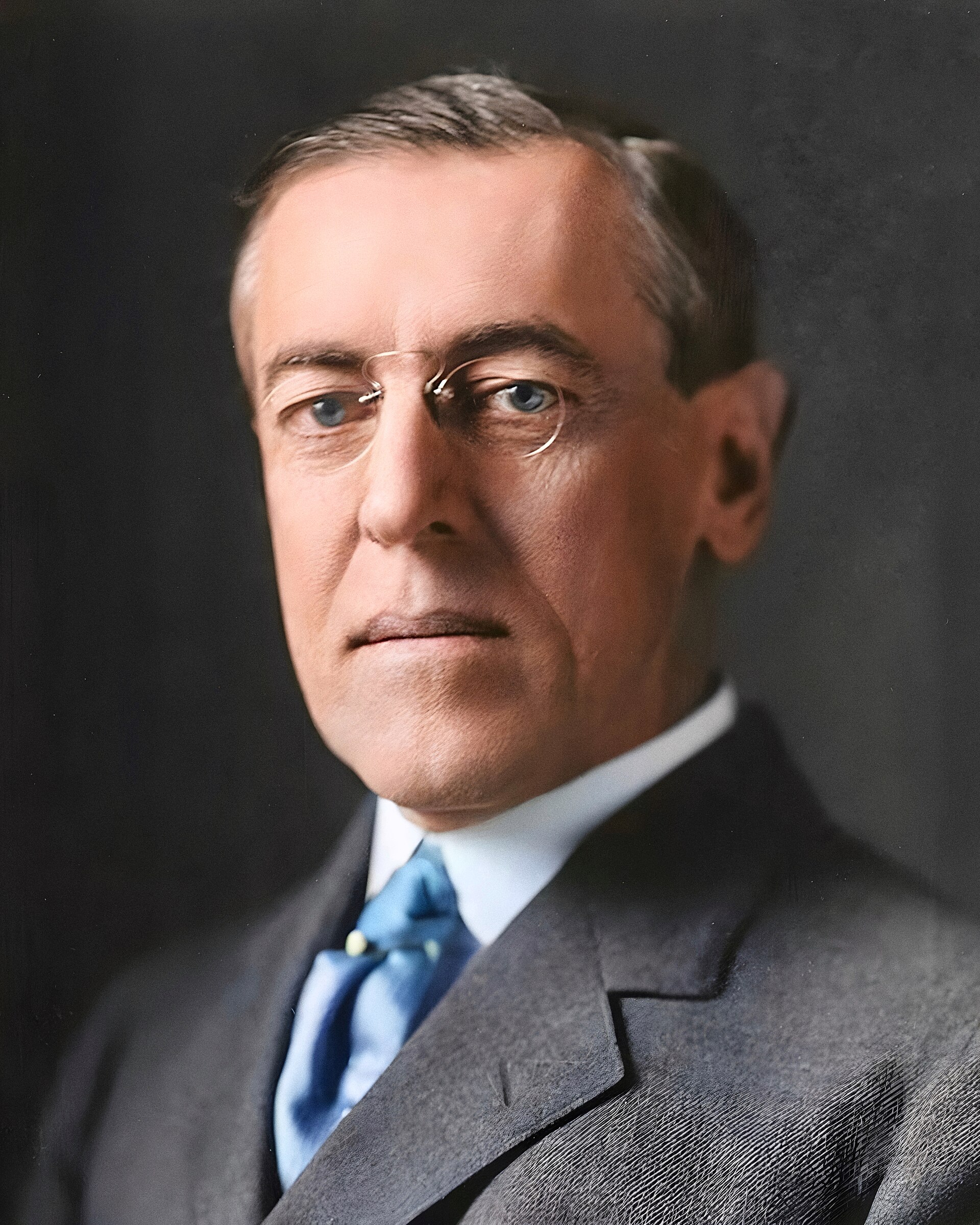
The Grand Canyon Act
President Woodrow Wilson signs an act of Congress establishing the Grand Canyon National Park
Carved by the relentless flow of the Colorado River over millions of years, the Grand Canyon stands as a monumental testament to geological history. Its massive, intricate system of gorges reveals the earth's ancient strata in deep reds, oranges, and rust.
Before it was recognized as a park, it existed as a profound physical reality—a mile-deep chasm that humbles any who stand at its rim, challenging human perceptions of time, permanence, and scale.
Woodrow Wilson - Public Domain
In the early 1900s, a crucial paradigm shift occurred. The American landscape, once viewed primarily as a boundless resource for extraction and rapid expansion, began to be understood as a natural monument demanding stewardship.
The sheer scale and ecological significance of the canyon catalyzed a movement to shield it from unregulated exploitation, aggressive mining, and private claims. The nation realized that some landscapes belong not to industry, but to posterity.
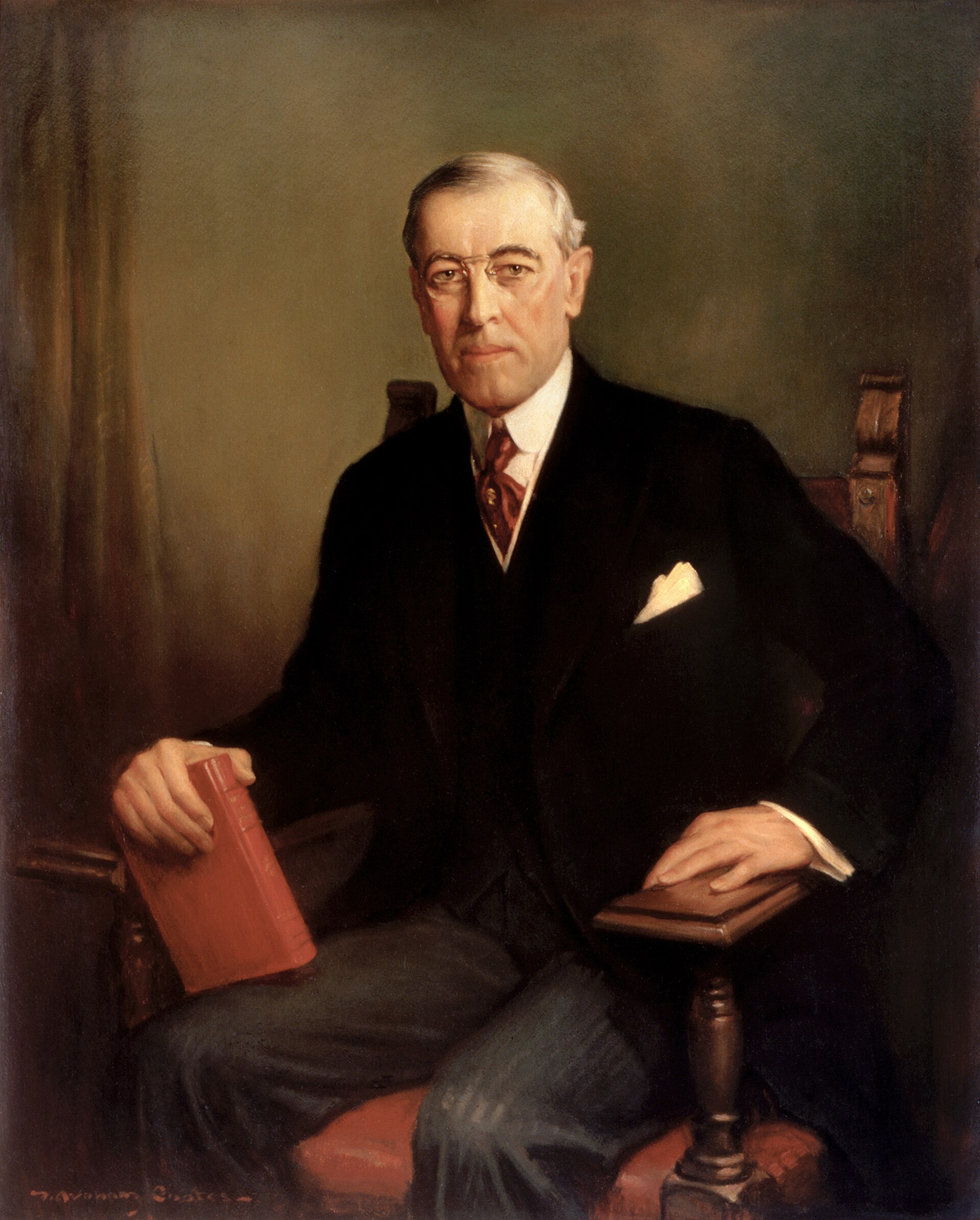
On February 26, 1919, President Woodrow Wilson signed the act formally establishing the Grand Canyon National Park. This pivotal legislation ensured the preservation of this staggering geographical wonder.
By elevating its status, the federal government guaranteed that the sweeping vistas, deep shadow navies, and earthy terracotta palettes of the canyon would remain untouched—a sanctuary for future generations to explore and revere.
The canyon stretches 277 miles long, up to 18 miles wide, and plunges to a staggering depth of over a mile (6,093 feet) at its lowest point.
Initially shielded as a Forest Reserve in 1893, it was designated a National Monument by Theodore Roosevelt in 1908 before finally becoming a National Park.
The steep canyon walls expose nearly two billion years of Earth's geological history, perfectly preserved in varied and vividly colored sedimentary rock layers.